

CConversation: Mia Nielsen, Director of Art Toronto
WELCOME TO CCONVERSATIONS — PRESENTED BY THE CC EDIT
Where we connect with fellow creatives and innovators to discuss entrepreneurship and the pursuit of creative endeavours.
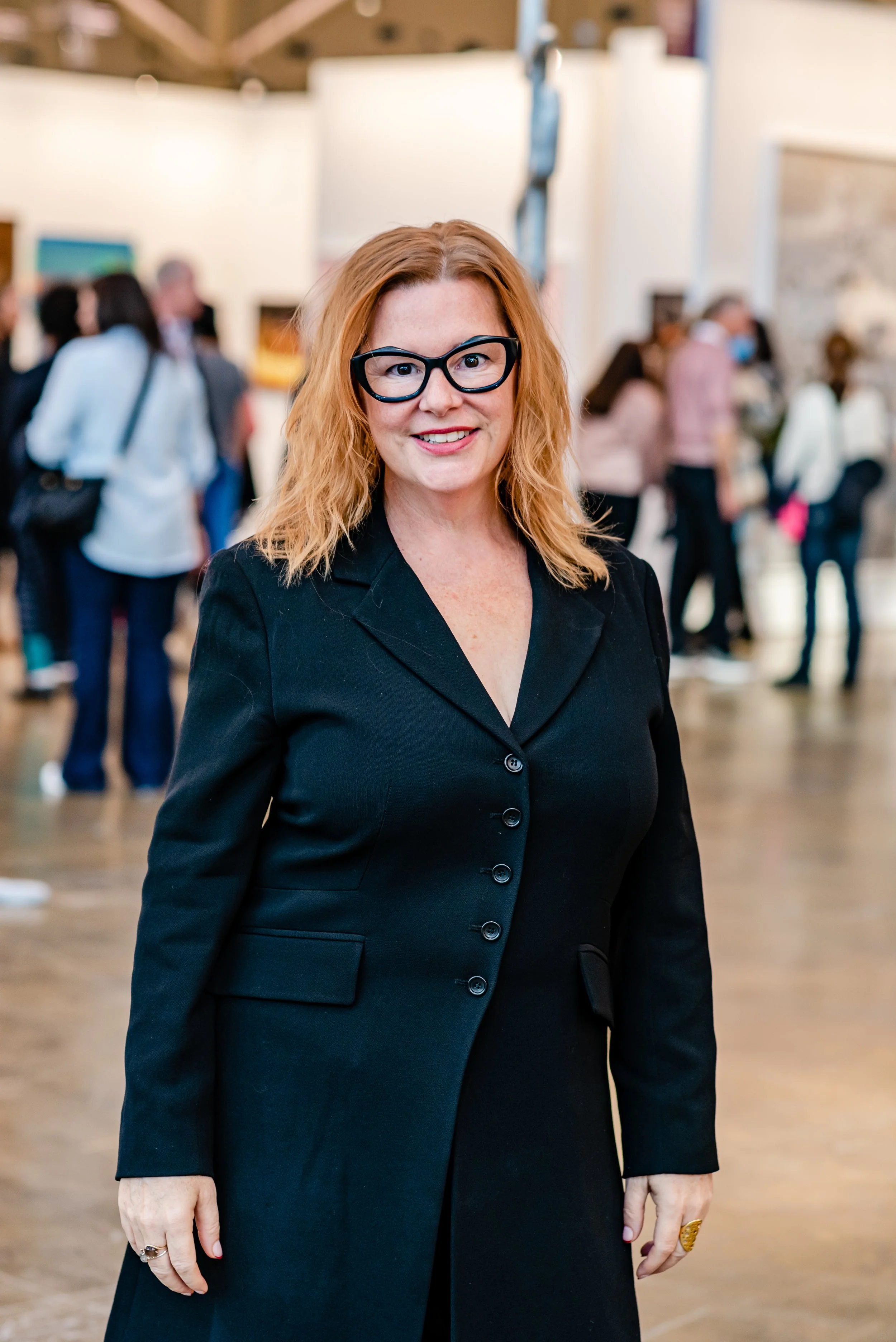
In this CConversation, we connect with Mia Nielsen, Director of Art Toronto.
In this CConversation we connect with Mia Nielsen, Director of Art Toronto. Through her impressive career and multidisciplinary experience, which includes a decade as the cultural force behind The Drake Hotel, Mia is a proven cultural connector. She's seamlessly moved from curating unexpected installations in public spaces to now leading an established powerhouse: Art Toronto, Canada’s largest art fair.
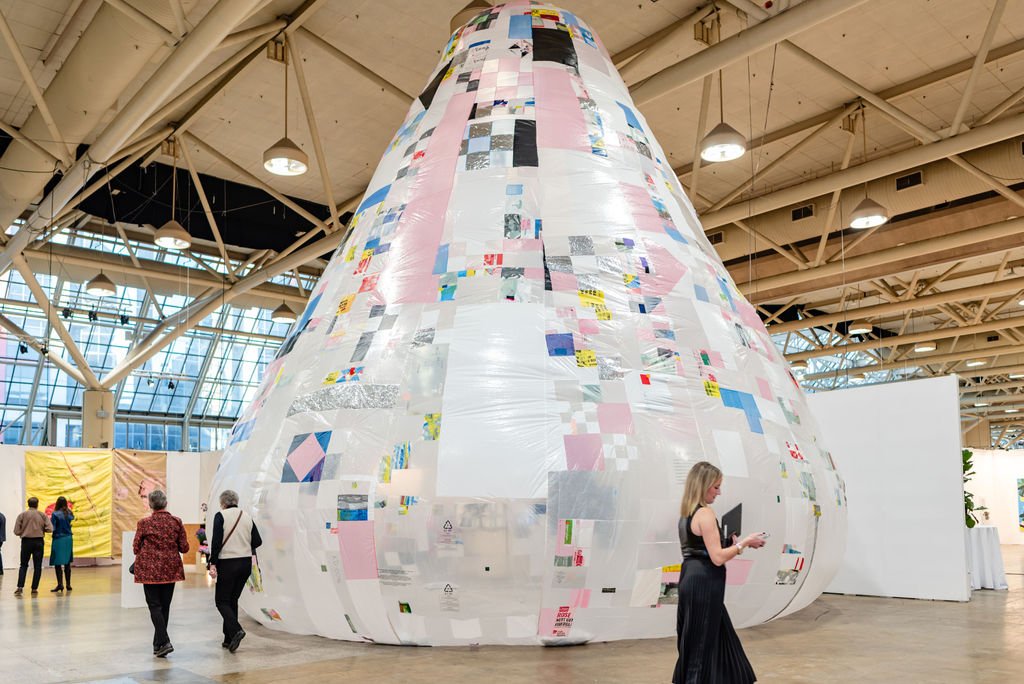
We dive into how Mia defines and measures a meaningful cultural experience, why she weighs the energy and connection in a room above just sales, and what keeps collectors returning to the unique atmosphere of the event. Join us as she shares her powerful vision for the Canadian art community and her practical advice on starting a deeply personal collection.
HI MIA, WELCOME TO CCONVERSATIONS! WE’RE THRILLED TO TALK ABOUT YOUR CREATIVE JOURNEY AS YOU’VE BUILT AN IMPRESSIVE CAREER AS A CURATOR, CULTURAL PRODUCER, AND CONNECTOR, CREATING MEANINGFUL ART EXPERIENCES EVERYWHERE FROM PUBLIC SPACES TO MAJOR INSTITUTIONS. TO START, CAN YOU SHARE HOW YOUR CURATORIAL PATH BEGAN?
I actually came to curating quite organically. I studied photography and new media at York University, and while I loved making art, I found myself increasingly drawn to connecting artists with audiences and helping shape how their work was seen. Early on, I worked at the Odon Wagner Gallery in Toronto, surrounded by historic Canadian and European paintings, where I gained a real foundation in the business and history of art. I later founded Quiver Projects, an online gallery representing contemporary artists from Canada, and selling their works to clients across the U.S. and Europe, through various online channels, most notably Sothebys.com. I also developed exhibition projects abroad and worked with the Royal Danish Consulate on their art collections. From there, my path led to The Drake, where for over a decade I had the incredible opportunity to develop its cultural programming, curating exhibitions, performances, and installations that brought together emerging and established artists in unconventional spaces. This dynamic approach solidified my belief that art can live anywhere, and that curating is as much about building relationships and experiences as it is about selecting works. Today, as Director of Art Toronto, I bring that same curiosity and openness, treating the fair as a living exhibition and continuing to explore how artists, galleries, and audiences can connect in meaningful, unexpected ways.
FROM HAVING BUILT A REPUTATION FOR INNOVATION IN NON-TRADITIONAL ART SPACES, YOU TOOK ON THE LEADERSHIP OF AN ESTABLISHED POWERHOUSE: ART TORONTO. AS YOU NAVIGATED THAT TRANSITION, HOW DID YOUR PERSONAL DEFINITION OF A MEANINGFUL CULTURAL EXPERIENCE EVOLVE? AND TODAY, HOW DO YOU MEASURE THE TRUE SUCCESS OF A PROJECT?
When I was working in more unconventional spaces, like at The Drake or through independent projects, a meaningful cultural experience often meant surprise: encountering art in a hotel hallway, at a music festival, on a rooftop, or at a dinner party, and feeling that spark of connection in an unexpected place. It was about collapsing the distance between art and everyday life. Moving into Art Toronto, the scale and context shifted, but my intention stayed the same. I’ve come to define a meaningful experience as one that truly lingers in the viewer, seeing works that change how someone thinks, feels, or sees the world, even subtly. In a fair setting, that might be a collector discovering a new artist, or a visitor having a conversation that deepens their understanding of what contemporary art can be. It’s always exciting to speak to someone who is buying their first work, hearing about their connection to it and knowing the relationship to that artwork will continue to evolve as they live with it.
As for measuring success, I look beyond numbers and sales. Of course, those are important, but I think the deeper metric is energy, the sense of connection in the room, the conversations sparked between artists, gallerists, and audiences, the collaborations that take root long after the fair ends. When people leave feeling inspired or reconnected to the art community, that’s when I know we’ve done something right.
FOR THOSE ATTENDING ART TORONTO FOR THE FIRST TIME, HOW WOULD YOU DESCRIBE THE UNIQUE ENERGY AND ATMOSPHERE OF THE EVENT? WHAT IS THE FEELING THAT BRINGS COLLECTORS AND ART LOVERS BACK YEAR AFTER YEAR?
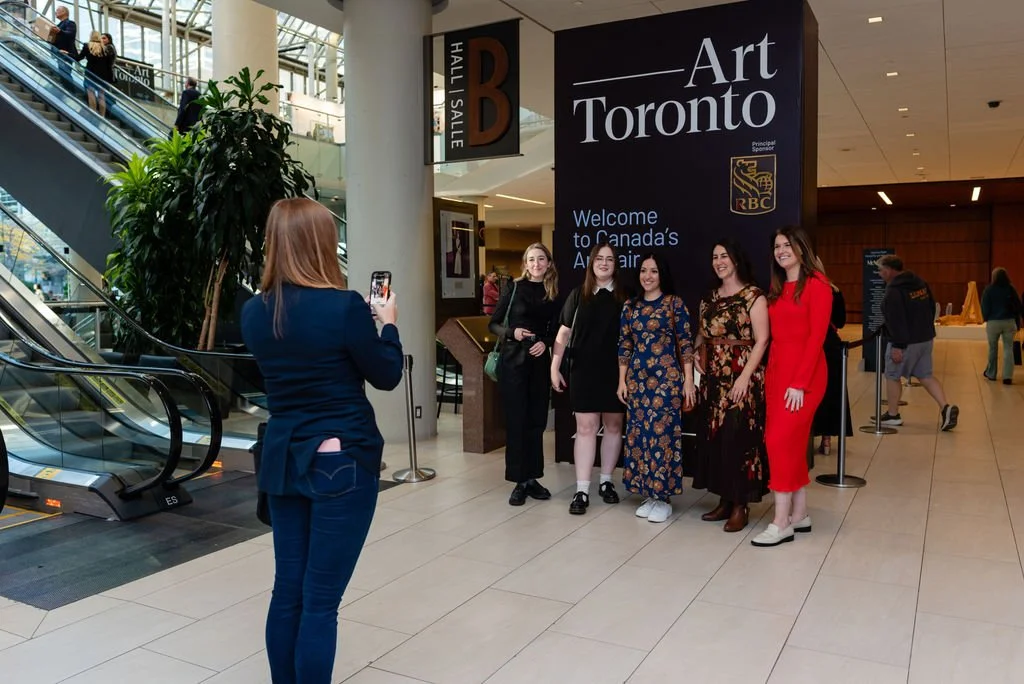
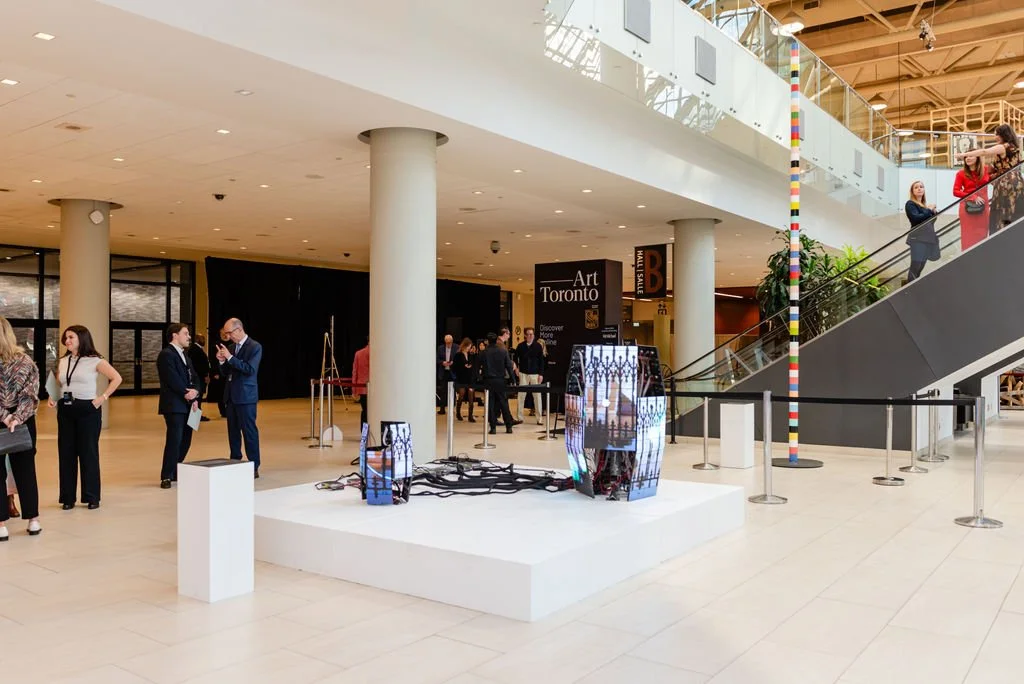
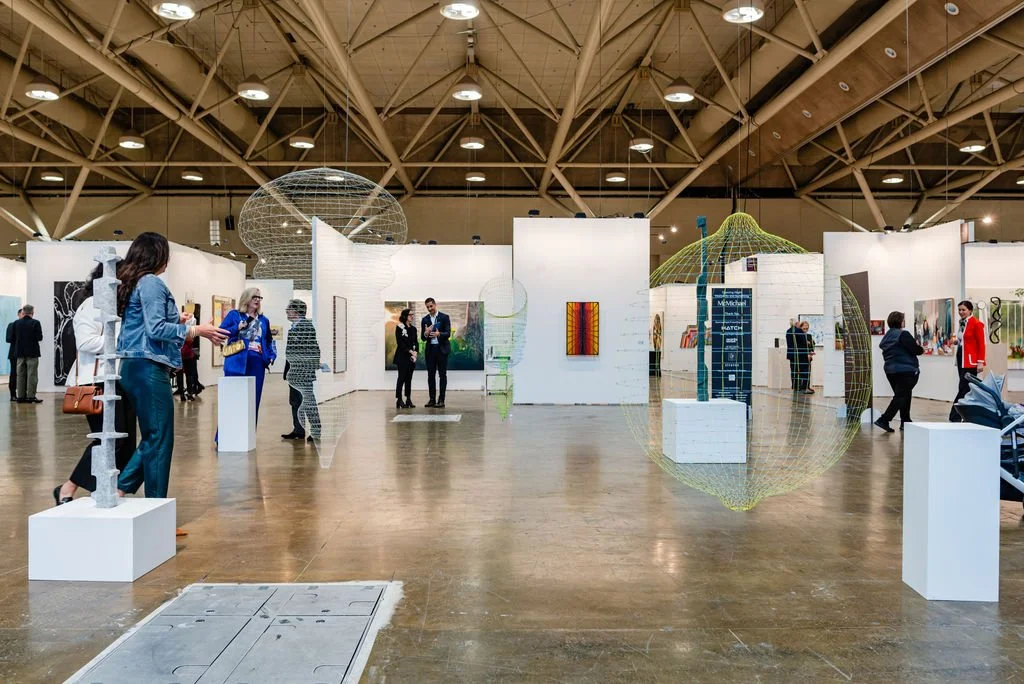
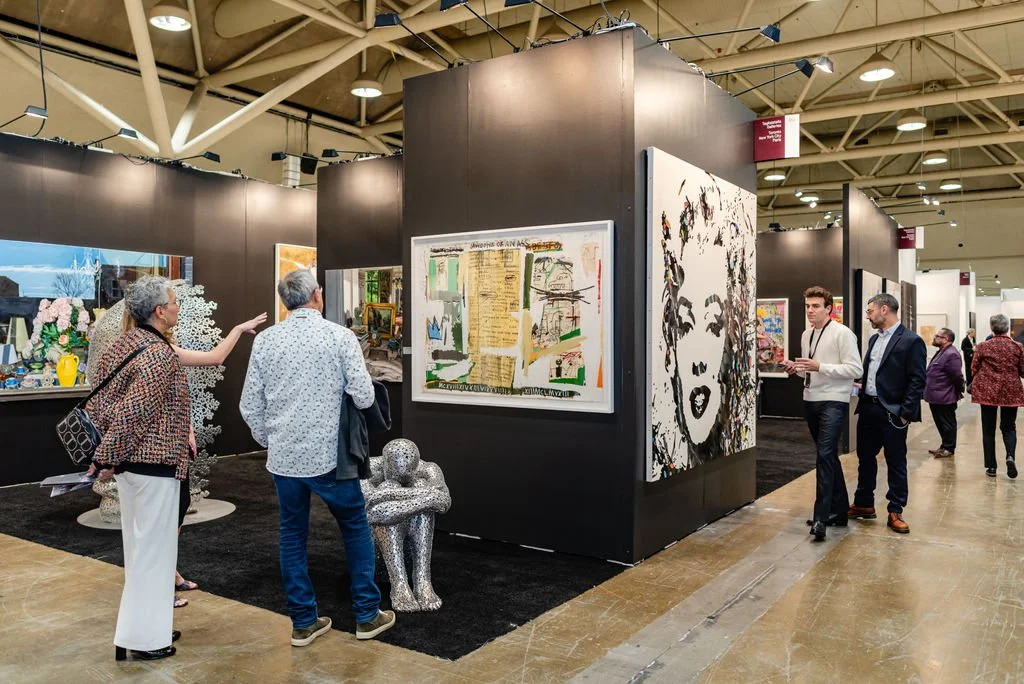
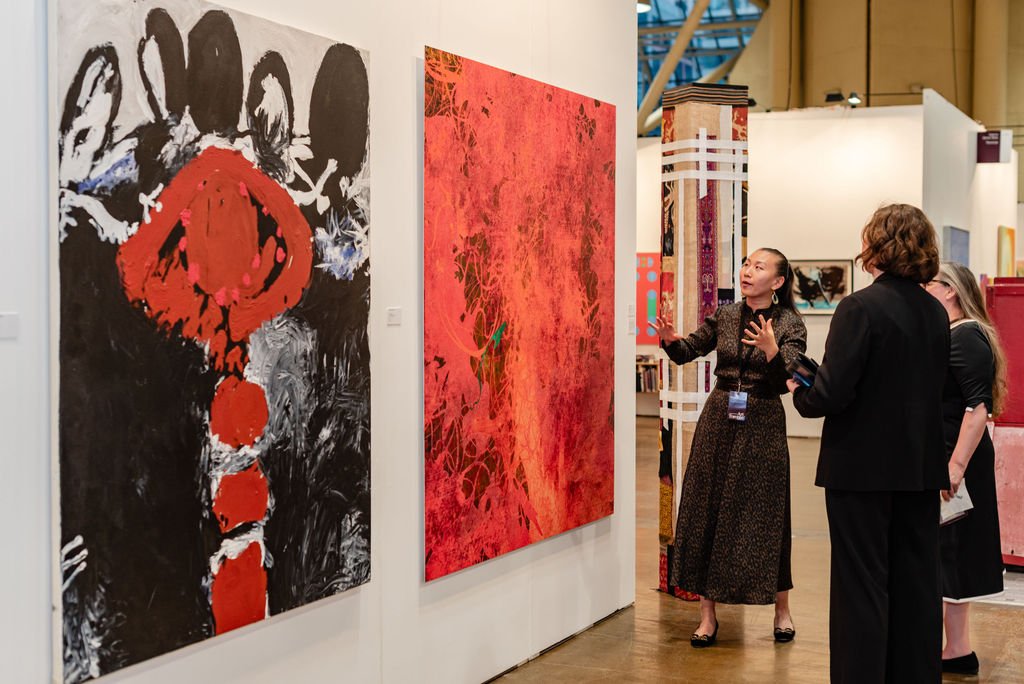
There’s a real electricity to Art Toronto, a mix of curiosity, discovery, and reunion. It’s one of the rare moments in the year when the entire art community, from gallerists and artists to collectors, curators, and first-time visitors, all converge under one roof. You feel that hum the moment you walk in. There’s this sense that anything could happen: a collector falls in love with a new artist, an emerging gallery gets their big moment, or someone simply has their perspective shifted by a work they didn’t expect to connect with.
What keeps people coming back, I think, is that feeling of connection. Yes, it’s about the art, the incredible range of work from across Canada and beyond, but it’s also about belonging to a larger creative ecosystem. It’s the conversations in the aisles, the shared excitement, the sense that you’re part of something evolving right in front of you. Art Toronto has always been more than a fair; it’s a cultural gathering, a celebration of the art world as it exists right here in Canada, vibrant, diverse, and full of possibility.
THROUGH YOUR EXPERIENCE AND LENS, WHAT SPECIFIC THEMES OR NARRATIVES EMERGING FROM CANADIAN ARTISTS ARE RESONATING MOST WITH INTERNATIONAL CURATORS AND COLLECTORS RIGHT NOW, AND HOW IS ART TORONTO ACTIVELY NURTURING AND PROMOTING THOSE VOICES TO ENSURE THEY’RE AMPLIFIED?
What I find so powerful about Canadian art right now is how deeply rooted it is in place, in land, identity, and storytelling, and how contemporary and globally relevant those conversations feel. There’s an honesty and complexity in the way artists here are engaging with themes like belonging, ecology, and reconciliation. Internationally, that perspective is resonating because it offers something both urgent and reflective, a way of thinking about the world through a lens of diversity, resilience, and care.
At Art Toronto, we’re really intentional about giving those voices the platform they deserve. That means working closely with curators to frame Canadian practices within a global dialogue, and inviting international galleries and institutions to see this work not as regional, but as vital to contemporary art as a whole.
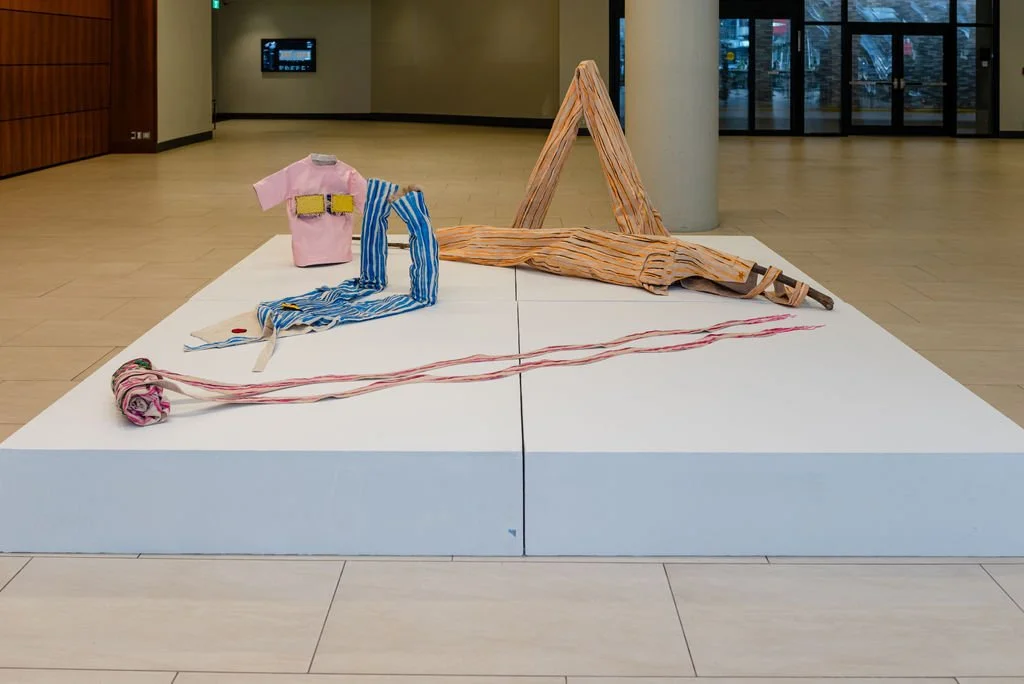
The Canadian art market is seen as a global leader for the collection and appreciation of indigenous art. This year, over 50% of the galleries at the fair feature indigenous artists in their programs. In addition to nations from across North America (Turtle Island) audiences will have the opportunity to discover indigenous artists from the Amazonian region and the South Pacific as well. This global approach to indigeneity centers a Canadian experience within an international art community.
WE KNOW YOU ARE PERSONALLY COMMITTED TO CONNECTING THE CULTURALLY CURIOUS WITH GREAT ART. WHAT ADVICE WOULD YOU GIVE A NEW COLLECTOR ON HOW TO START BUILDING A MEANINGFUL COLLECTION, AND HOW IS ART TORONTO WORKING TO LOWER THE BARRIERS FOR THIS NEXT GENERATION?
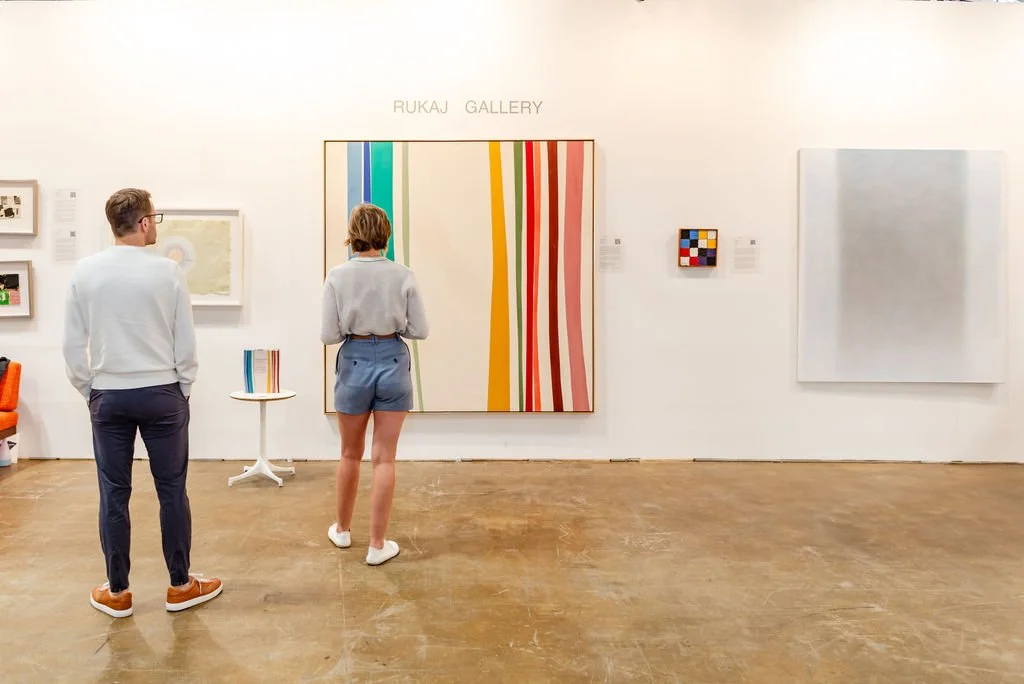
The best advice I can give a new collector is to start with curiosity, not investment. Spend time looking, visit galleries, go to openings, talk to gallerists, ask questions. The most meaningful collections come from a genuine connection to the work and the story behind it, not from chasing trends or price tags. When you find a piece that lingers with you, that you keep thinking about days later, that’s often the one worth taking home. Collecting should be joyful and personal; it’s about building a conversation over time between you and the art that moves you.
INTERESTED IN MORE? FIND MIA NIELSEN ONLINE HERE OR ON INSTAGRAM @SEEKTHESUBLIME
ARTICLE HOSTED BY: CANDICE CRISTÓVÃO